Notes Icons
The places that
define a destination.
A NOTES Icon is a place of exceptional significance.
These are the hotels, restaurants, makers, cultural institutions and experiences that help shape the identity of a destination. They are places with a distinct sense of place, a clear point of view and an enduring contribution to the culture around them.
Only a small number are selected. Not because they are fashionable or widely known, but because they continue to matter long after trends, rankings and recommendations have moved on.
Selected across multiple destinations · Hotels, restaurants, makers and cultural institutions
A NOTES Icon is not simply a place we admire.It is a place we believe matters.
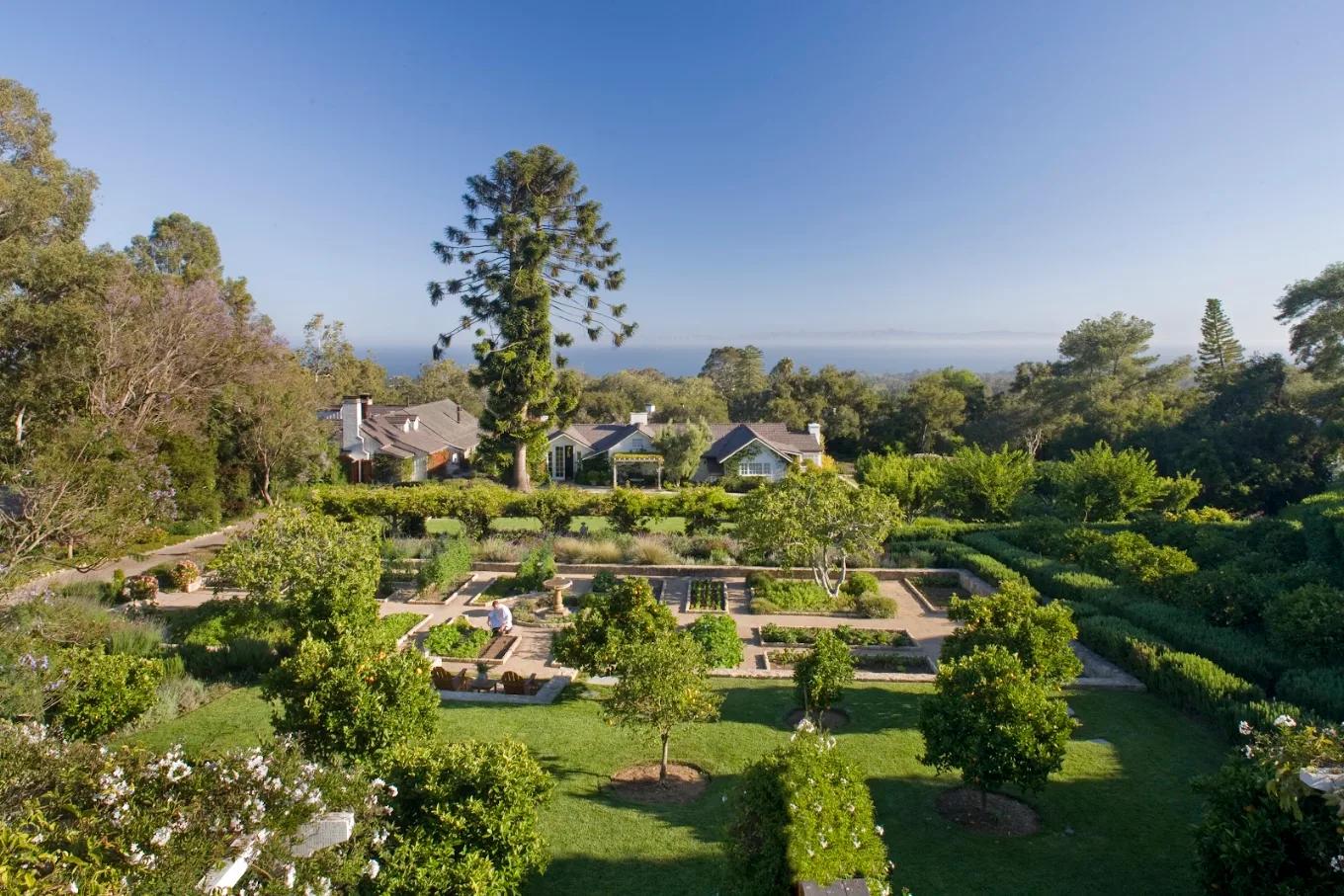
San Ysidro Ranch
Montecito, USA
Long before Montecito became synonymous with privacy and understated wealth, San Ysidro Ranch had already established itself as one of California's great places of retreat. Set across 550 acres beneath the Santa Ynez Mountains, the property combines the atmosphere of a historic country estate with a horticultural landscape of olive trees, citrus groves, lavender and gardens. For more than 130 years, guests have come here seeking the same thing: refuge.
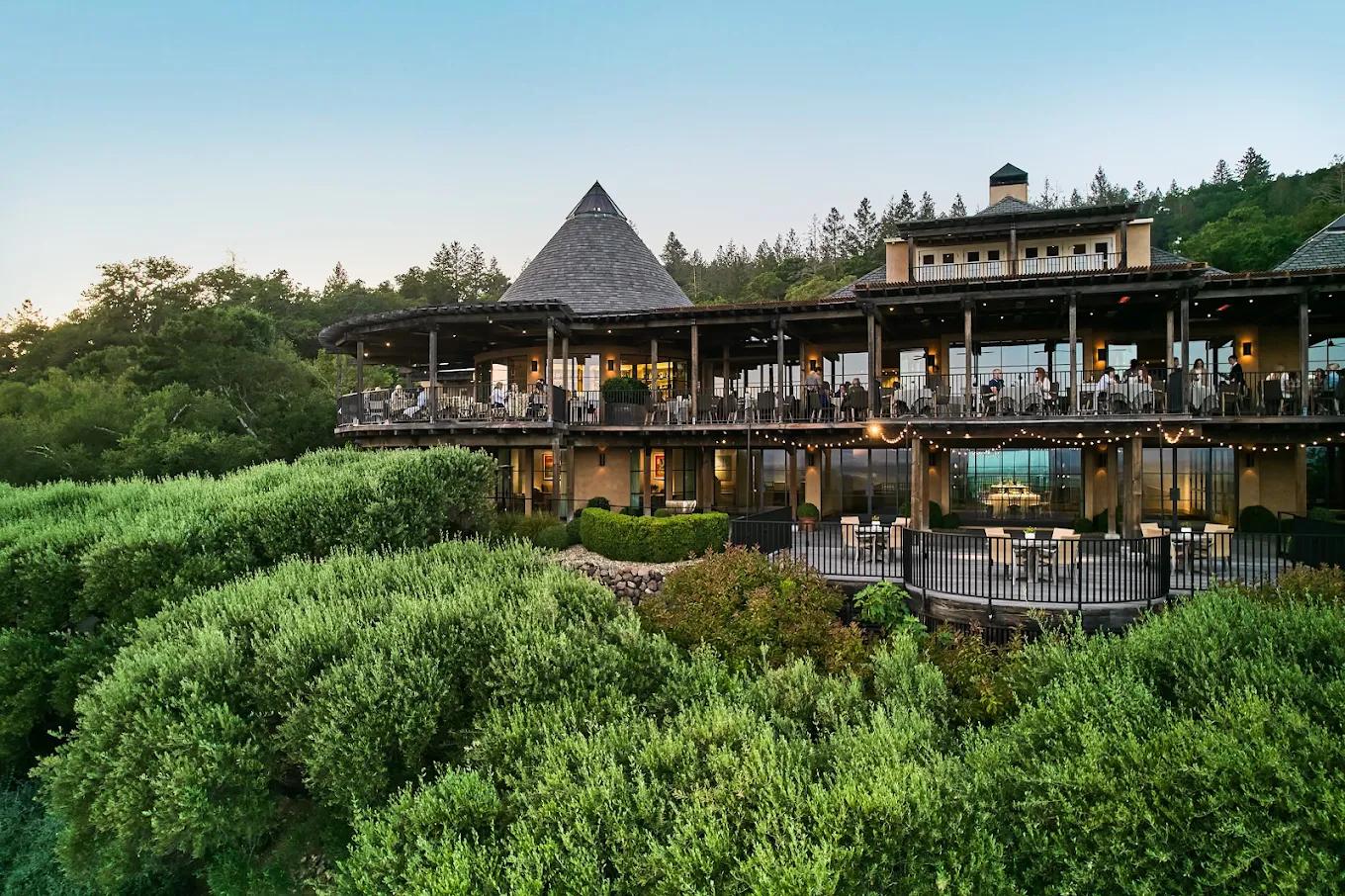
Auberge du Soleil
Rutherford, USA
When Claude Rouas opened Auberge du Soleil above Rutherford in 1981, Napa Valley was still defining itself as a culinary destination. Inspired by the landscapes, food culture and informal elegance of Provence, he created a restaurant that evolved into one of California's most influential hospitality properties. More than four decades later, Auberge du Soleil remains both a landmark hotel and a foundational chapter in the story of Napa Valley.
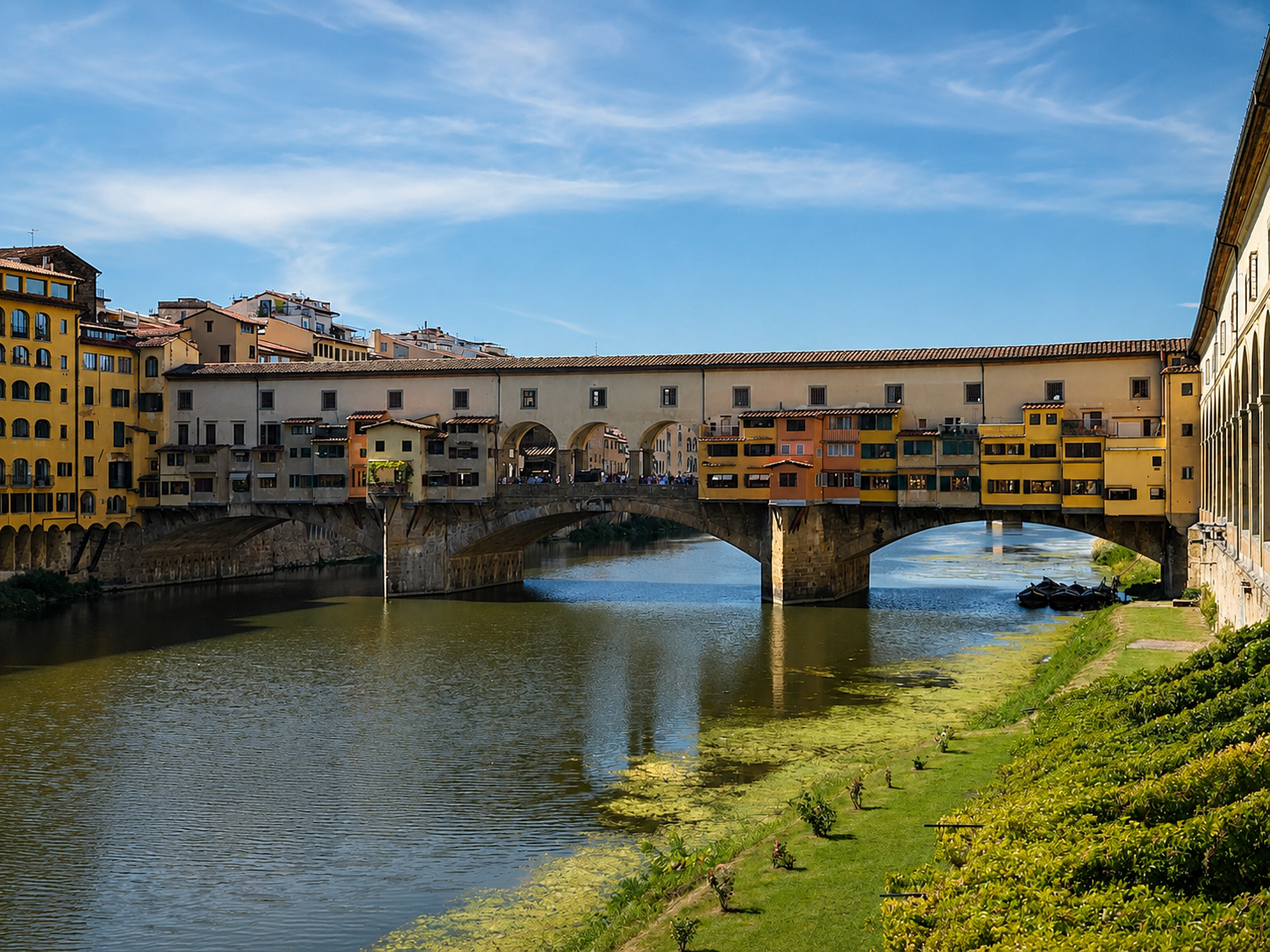
Ponte Vecchio
Florence, Italy
Crossing the Arno at Florence's narrowest point, the Ponte Vecchio is the city's oldest surviving bridge and one of its most enduring symbols. Rebuilt in 1345 after a devastating flood, lined with goldsmiths' workshops and traversed above by the Vasari Corridor, it remains a remarkably complete record of Florence's commercial, political and architectural history.
Why Icons exist
Most places can be replaced.
Icons cannot.
They help explain a destination — its history, culture, craftsmanship, landscape and identity.
Without them, the place would not feel the same.
A NOTES Icon is not simply a place we admire. It is a place we believe matters — one that has shaped what a destination is, and continues to define what it means to be there.
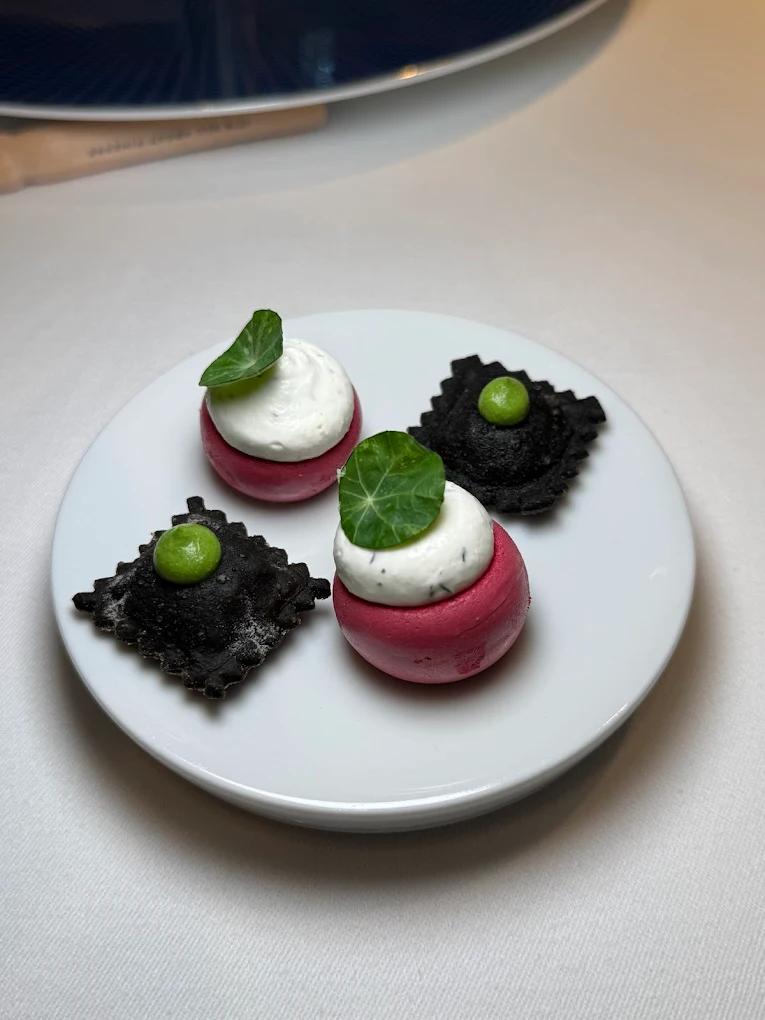
The French Laundry
Yountville, USA
Set within a nineteenth-century stone building in Yountville, The French Laundry has shaped American fine dining for decades. Building on foundations laid by Sally Schmitt and later expanded by Thomas Keller, the restaurant helped define a distinctly Californian approach to seasonality, precision and ingredient-driven cooking.
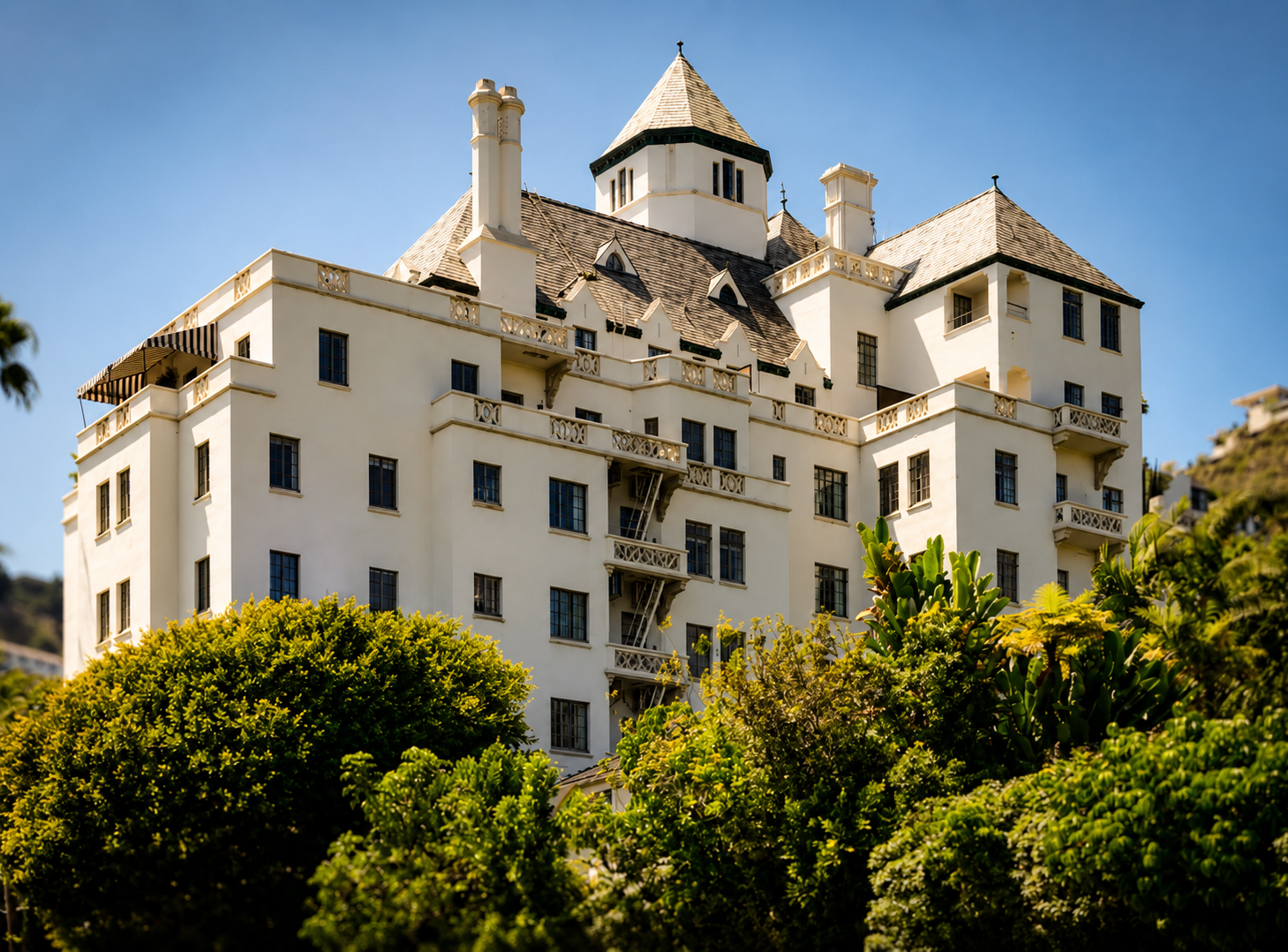
Château Marmont
Los Angeles, USA
Opened in 1929 on a hill above the Sunset Strip, Château Marmont was conceived as a romantic European fantasy in the young city of Los Angeles. Originally built as luxury apartments and converted into a hotel during the Great Depression, it evolved into one of Hollywood's most influential cultural institutions, where architecture, privacy and creative life have remained inseparable for nearly a century.
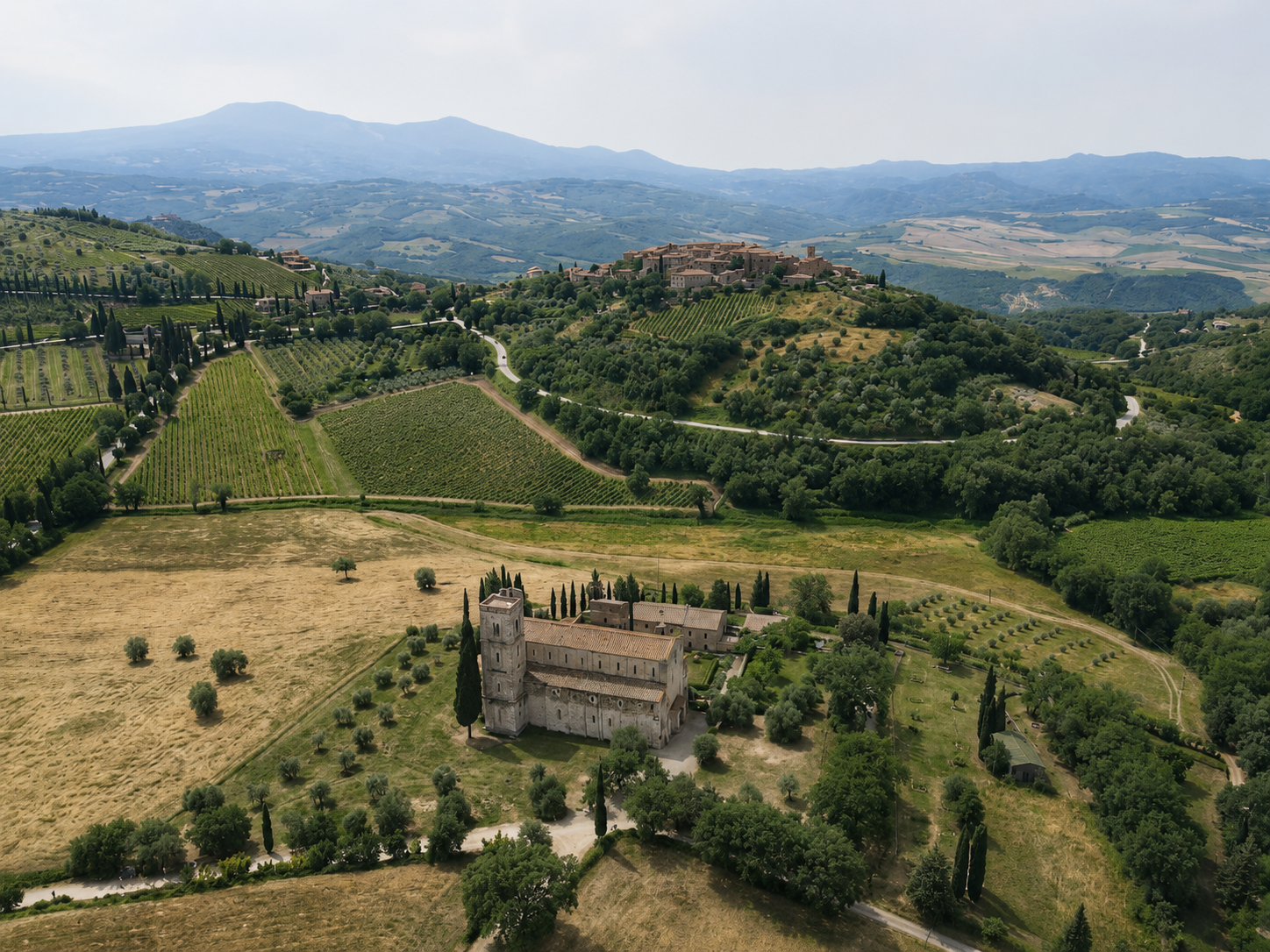
Abbazia di Sant’Antimo
Montalcino, Italy
Set alone in the Starcia valley below Montalcino, Sant’Antimo is among the finest Romanesque churches in Tuscany. Built from 1118 on the site of an earlier Carolingian foundation, it once held power along the Via Francigena and today preserves the rare atmosphere of a medieval abbey still shaped by religious life.
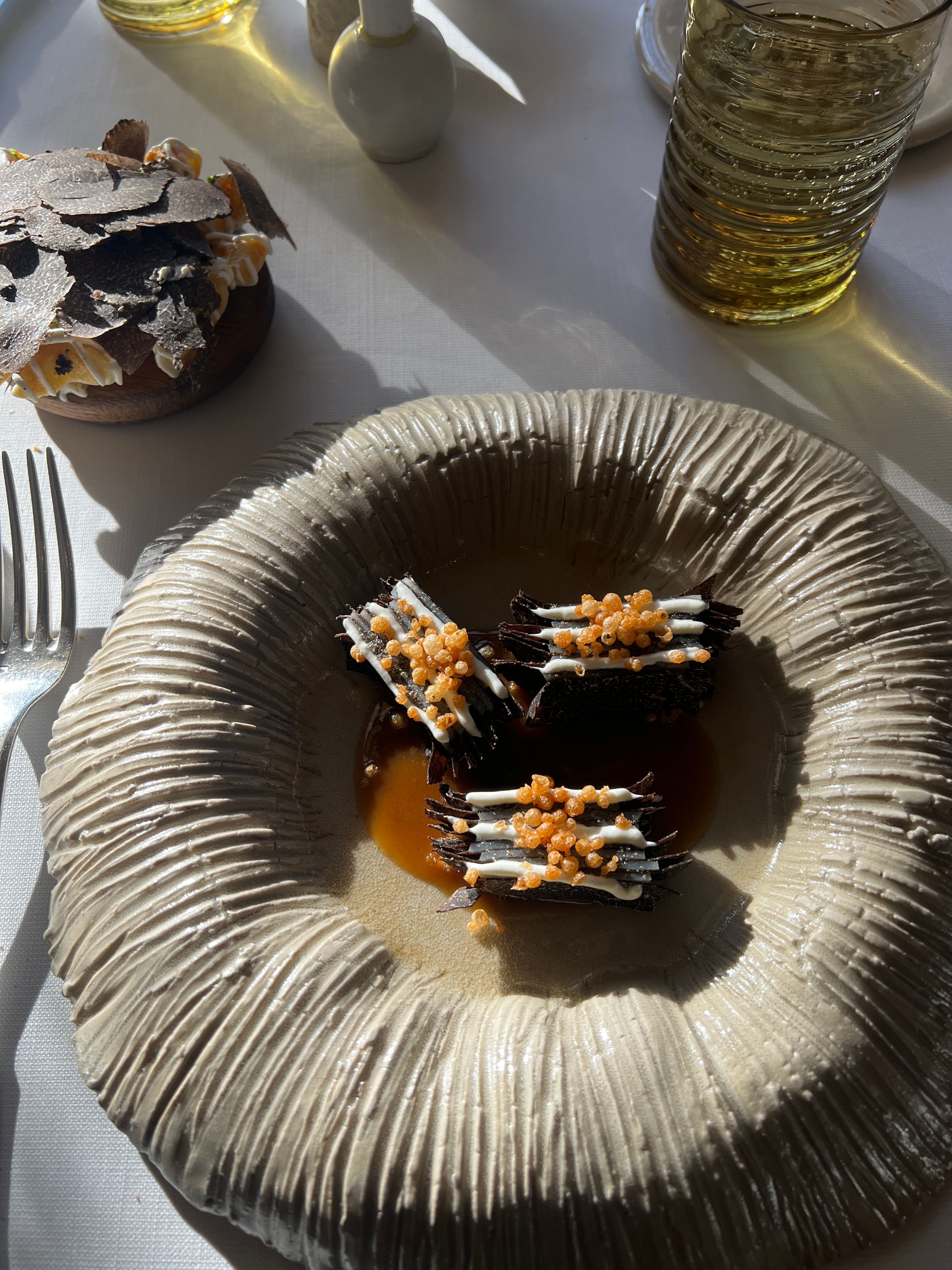
L'Oustau de Baumanière
Les Baux de Provence, France
Founded shortly after the Second World War by Raymond Thuilier, L'Oustau de Baumanière transformed an isolated corner of the Alpilles into one of the most influential dining destinations in France. Nearly eighty years later, it remains one of the defining culinary institutions of Provence.
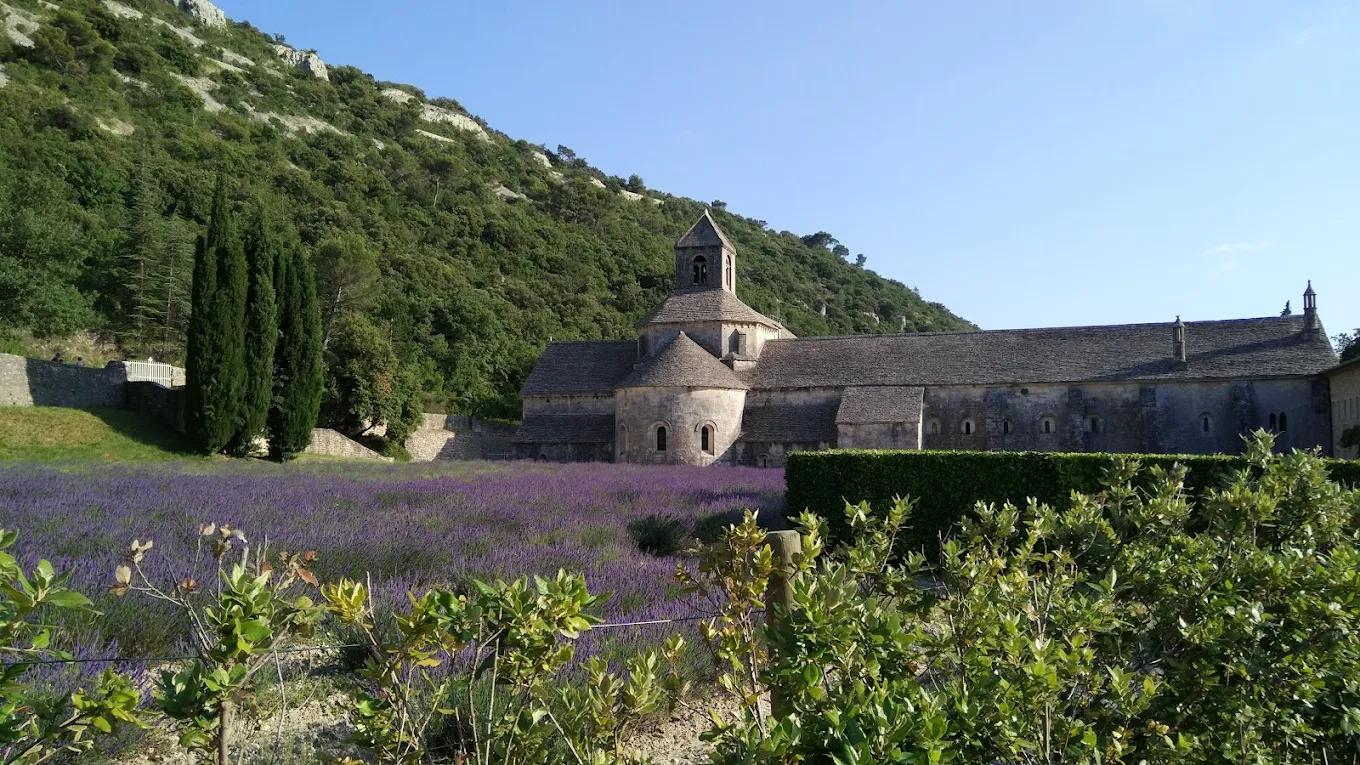
Abbaye Notre Dame de Sénanque
Gordes, France
Hidden within a narrow valley north of Gordes, Abbaye Notre Dame de Sénanque has remained a place of prayer, work and contemplation for almost nine centuries. Founded in 1148, it is one of the rare monastic sites in Provence where the original spiritual purpose of the place continues uninterrupted today.
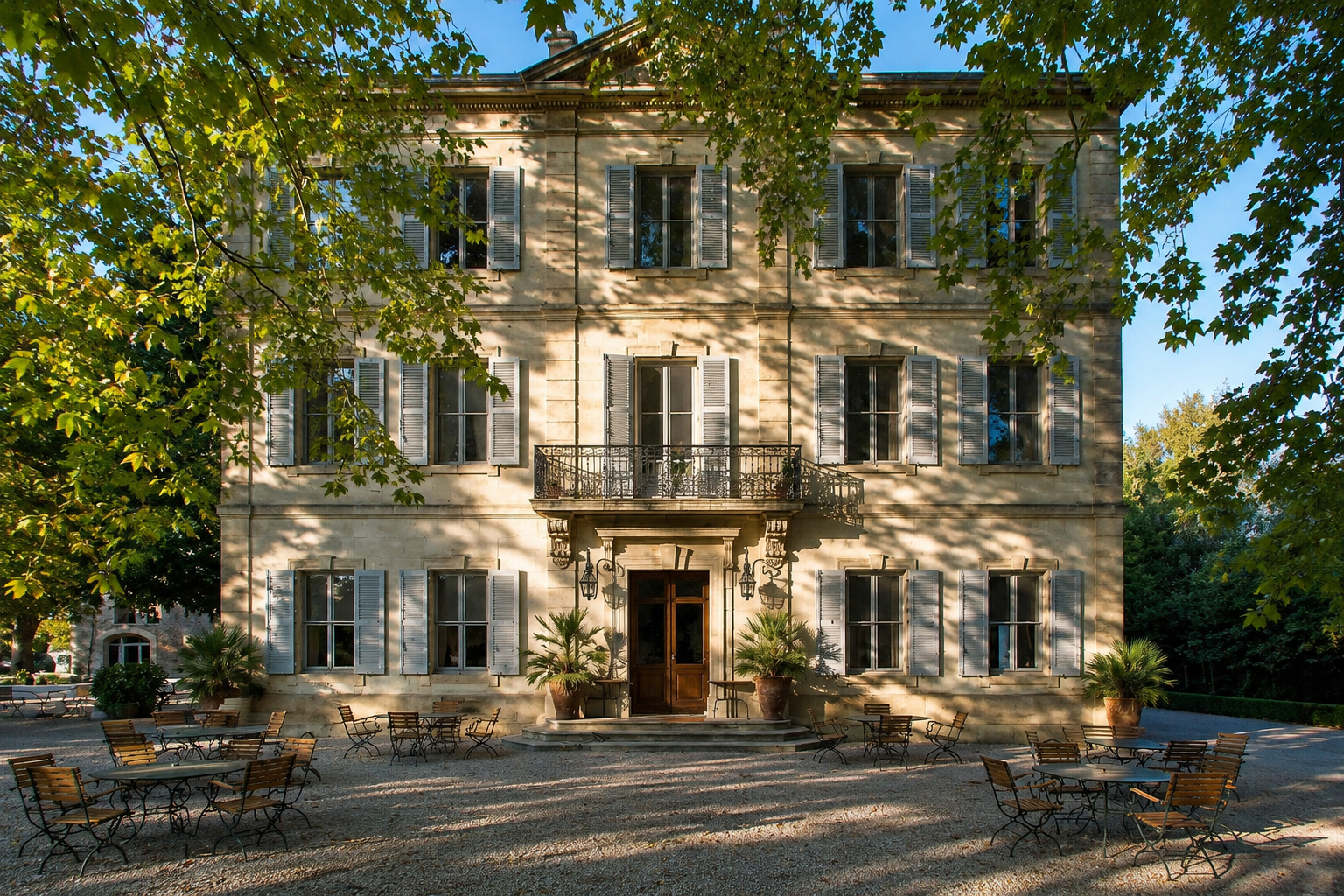
Le Château des Alpilles
Saint Rémy de Provence, France
Set within seven hectares of mature parkland on the edge of Saint-Rémy-de-Provence, Le Château des Alpilles is one of the defining addresses of the Alpilles. A 19th-century manor house at the heart of an estate whose recorded history stretches back several centuries, it is also the story of one family — and three generations of women — who have preserved, restored and shaped the property for more than four decades.
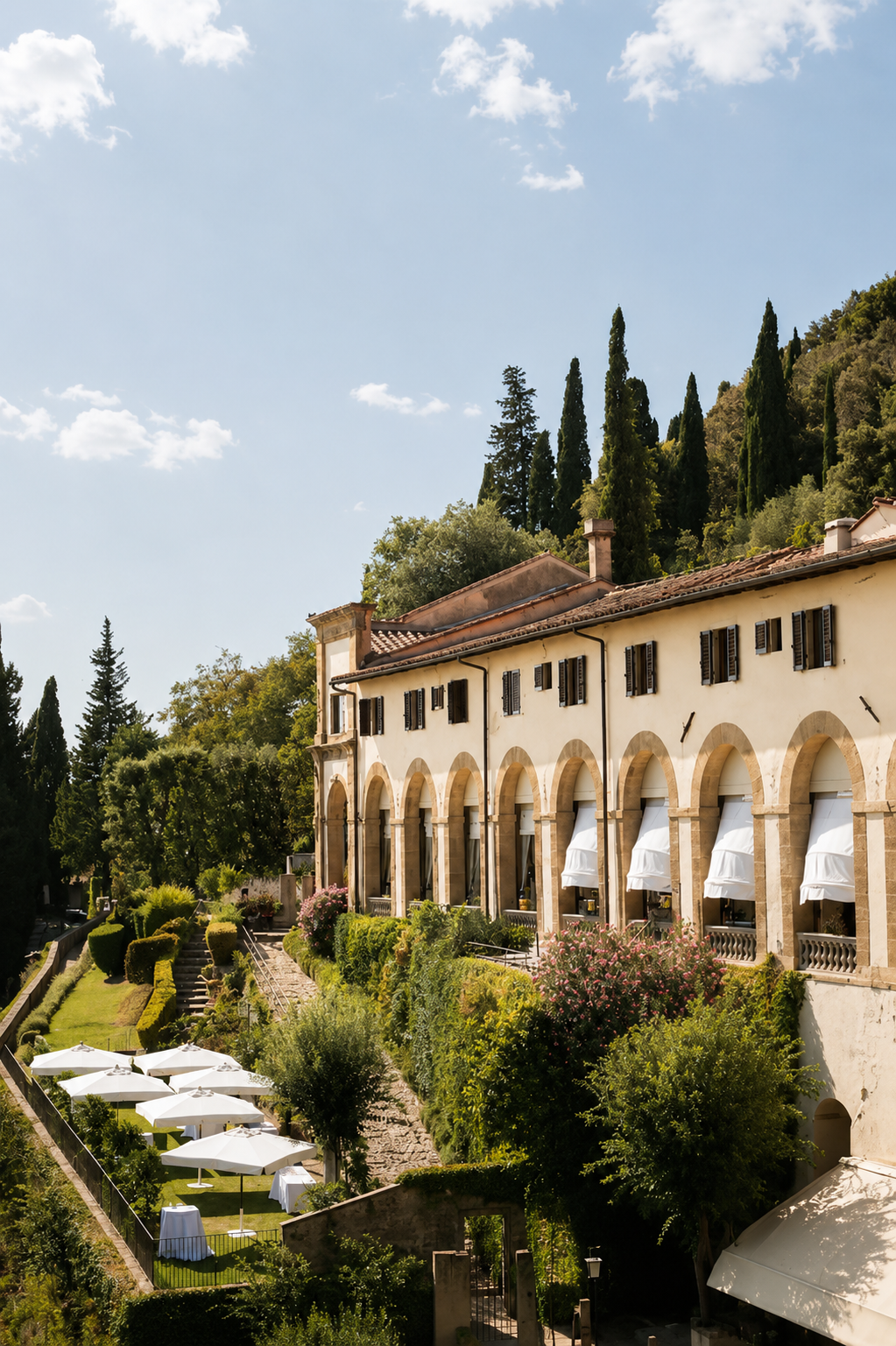
Belmond Villa San Michele
Fiesole, Italy
High above Florence, on the wooded slopes of Fiesole, Villa San Michele occupies one of the most remarkable historic settings in Tuscany. Originally founded as a Franciscan monastery, the property combines Renaissance architecture, monastic heritage and sweeping views across the city below.
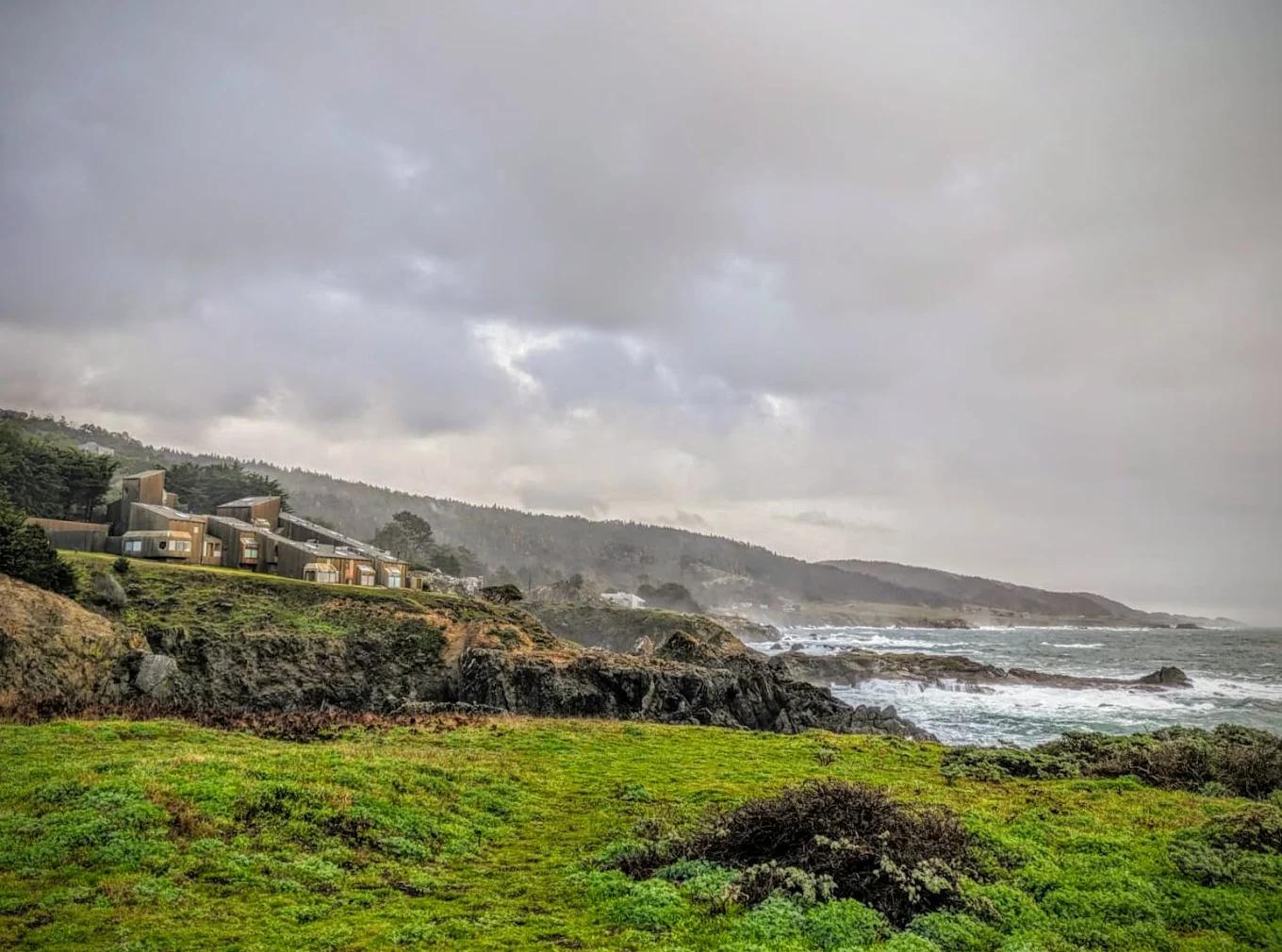
The Sea Ranch Lodge
The Sea Ranch, USA
The Sea Ranch Lodge is not simply a hotel. It is the gateway to one of the most influential planned communities in modern architecture. Built in 1968 as one of The Sea Ranch's original buildings, it continues the founding vision of living lightly on the land, where architecture, landscape and daily life exist in quiet balance along California's dramatic northern coastline.
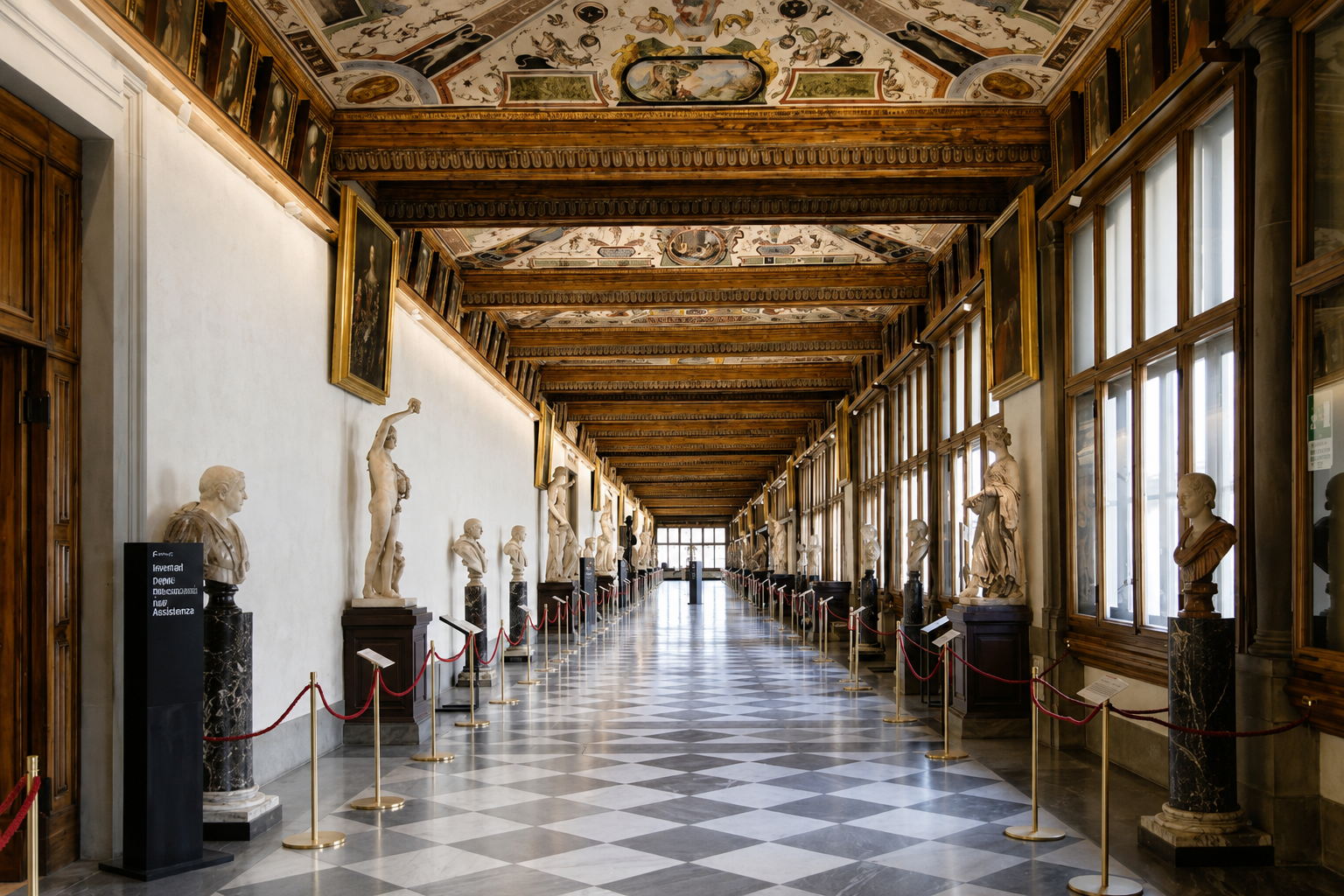
Uffizi Gallery
Florence, Italy
Built by Giorgio Vasari for Cosimo I de’ Medici as a seat of government offices, the Uffizi became one of Europe’s earliest public museums. Its galleries preserve the Medici family’s bequest to Florence: a collection of painting, sculpture and antiquities inseparable from the city’s Renaissance identity.
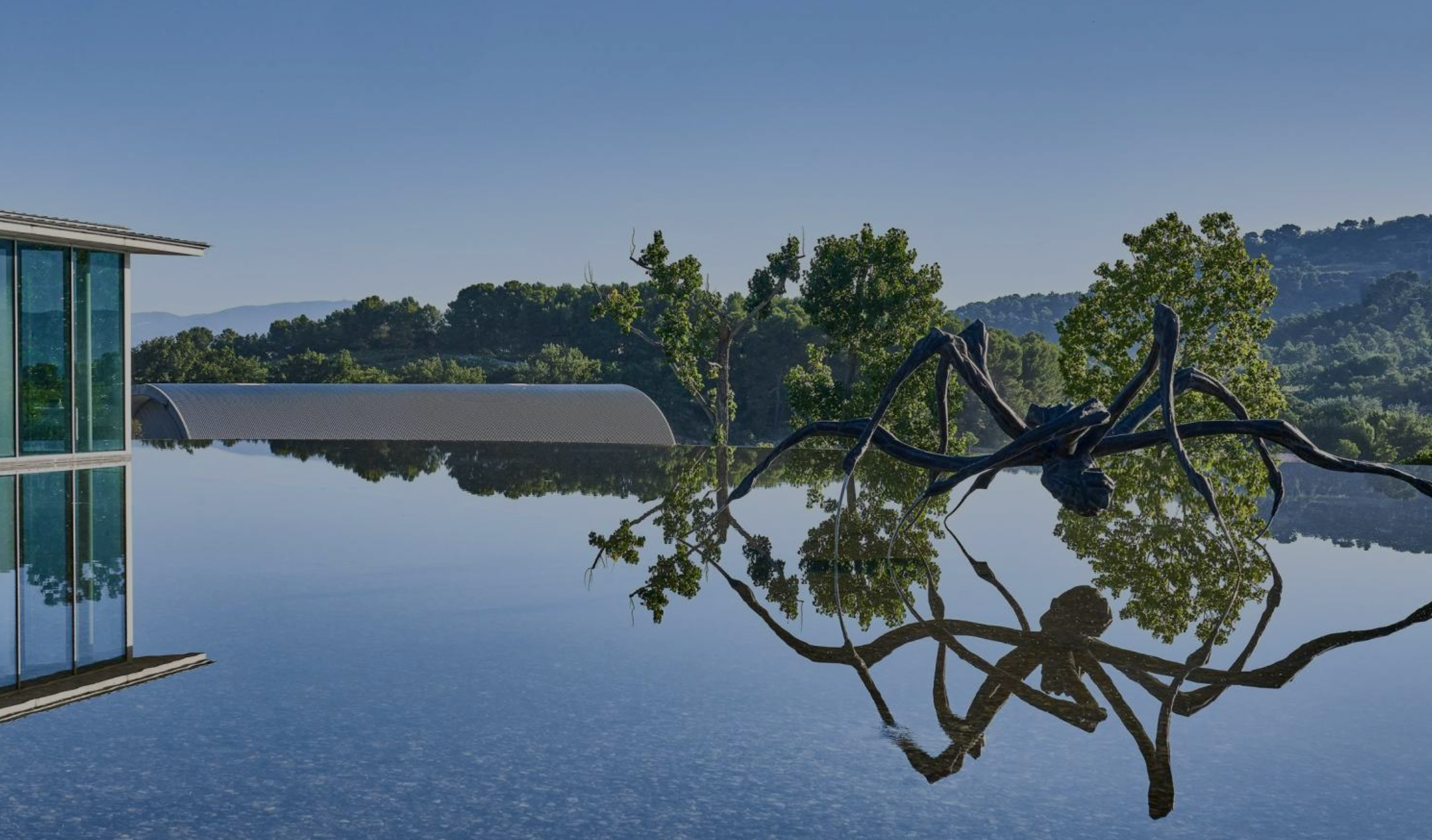
Château La Coste
Le Puy Sainte Réparade, France
Château La Coste is one of the most ambitious cultural projects in contemporary Provence. Combining a working wine estate with a major collection of site-specific art and architecture, it offers a rare example of landscape, creativity and agriculture existing as a single experience.
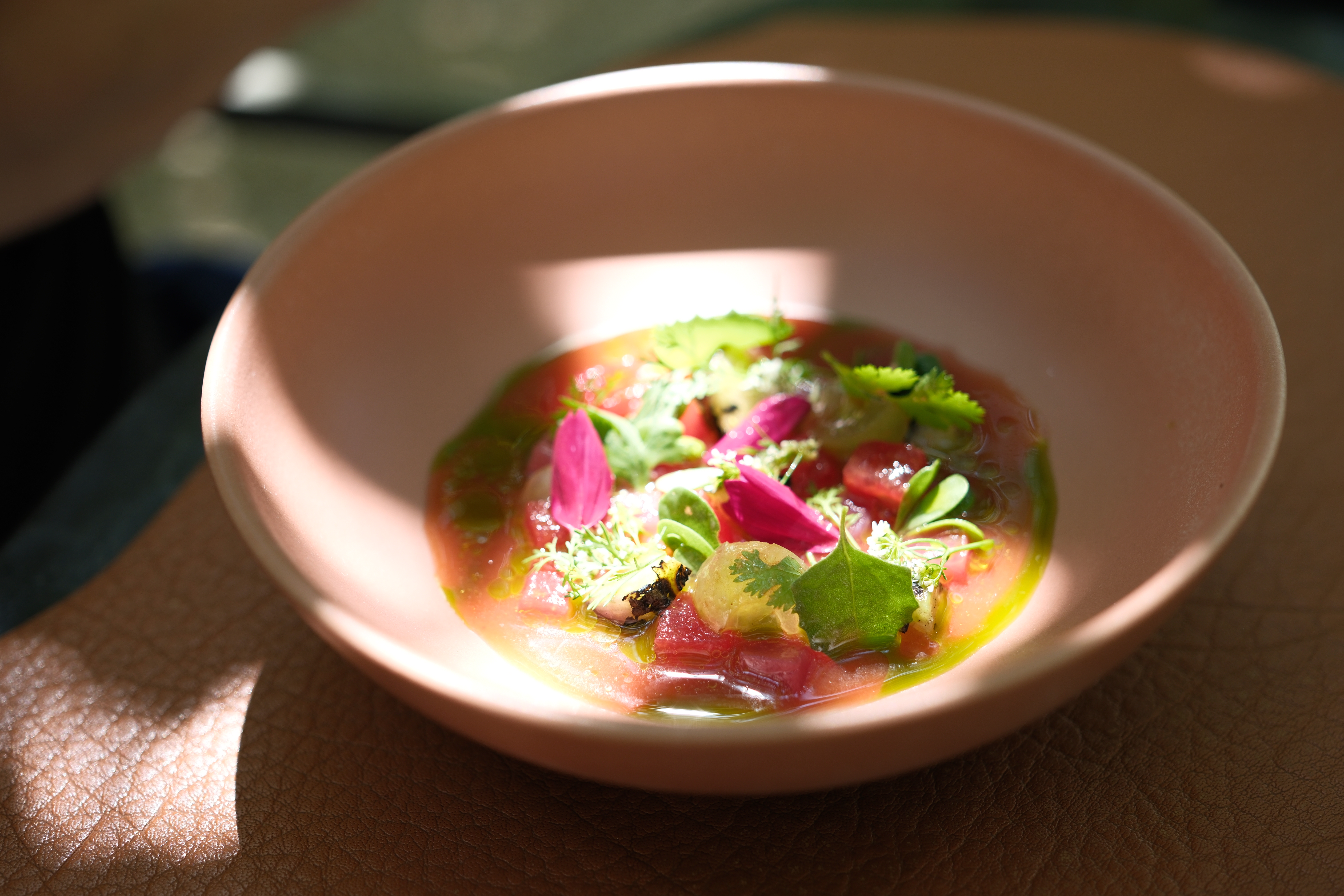
La Chassagnette
Arles, France
Set within a former sheepfold between the Rhône and the Étang de Vaccarès, La Chassagnette has become one of the defining culinary destinations of the Camargue. Here, the garden is not an accompaniment to the restaurant but the foundation upon which the entire experience is built.
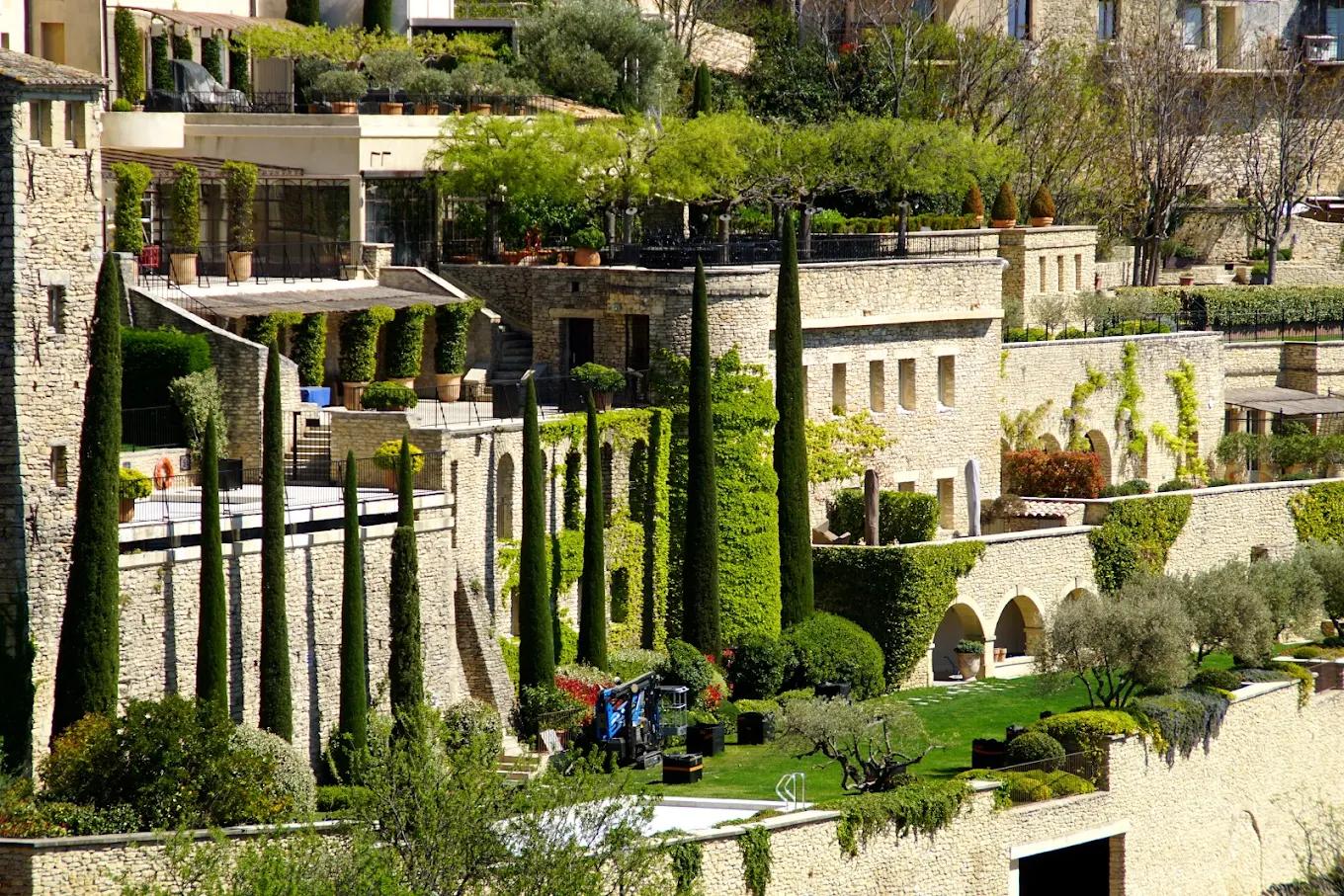
La Bastide de Gordes
Gordes, France
Built into the hillside at the heart of Gordes, La Bastide de Gordes occupies a position few hotels can claim. Part historic residence, part village landmark, it overlooks the Luberon from a series of terraces suspended above one of Provence's most celebrated landscapes. Gordes has long been one of the defining villages of Provence. Rising from the limestone slopes of the Luberon, its narrow streets, stone houses and commanding position have attracted artists, writers and travellers for generations. La Bastide de Gordes is woven directly into this setting.
The NOTES criteria
How we select an Icon.
Each Icon is reviewed against six criteria. The first two — Sense of Place and Cultural Significance — are considered essential. The remaining four must be present in combination. Together they describe a place that is not simply excellent, but genuinely indispensable.
01
Sense of Place
Could this place exist anywhere else? If the answer is yes, it is not an Icon. The place must be inseparable from its location, its landscape and its culture.
02
Cultural Significance
Does this place contribute meaningfully to the identity of its destination? Would its absence be felt? If not, it is not an Icon.
03
Enduring Vision
Is the place built around a clear and lasting idea — not a trend, not a moment? Icons do not age. They become more themselves over time.
04
Beauty
Does the place demonstrate exceptional architectural, artistic or environmental quality? Beauty here is not decoration. It is intention made visible.
05
Craftsmanship
Is there evidence of sustained care, skill and attention to detail? Craftsmanship is the result of human effort applied over time without compromise.
06
Lasting Impact
Does the place remain in the mind long after the visit? Do guests return? Do they speak about it for years? If so, something real happened there.