Historic Theater · Performing Arts
Teatro della Pergola
Via della Pergola, 12/32, 50121 Florence FI, Italy
ArchitectureHistoric SitePerforming ArtsCultural InstitutionHistoricWorth the Journey
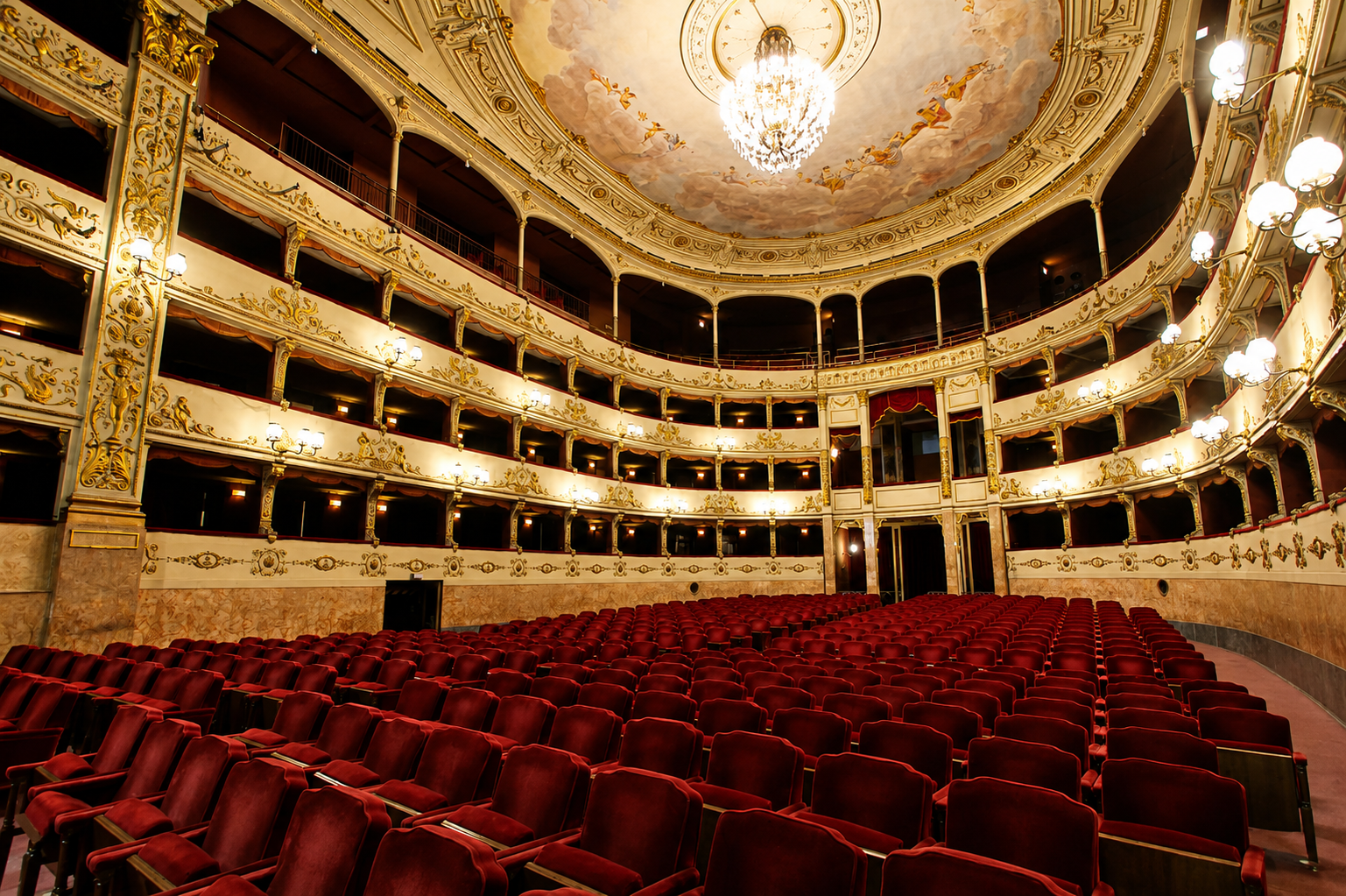
Commissioned by Cardinal Giovan Carlo de’ Medici and designed by Ferdinando Tacca, Teatro della Pergola opened in 1656 as a theatre unlike any that had come before it. Its revolutionary horseshoe-shaped auditorium with stacked tiers of boxes became the model for the teatro all’italiana, influencing theatre design throughout Europe while continuing to serve Florence as a working stage more than three centuries later.
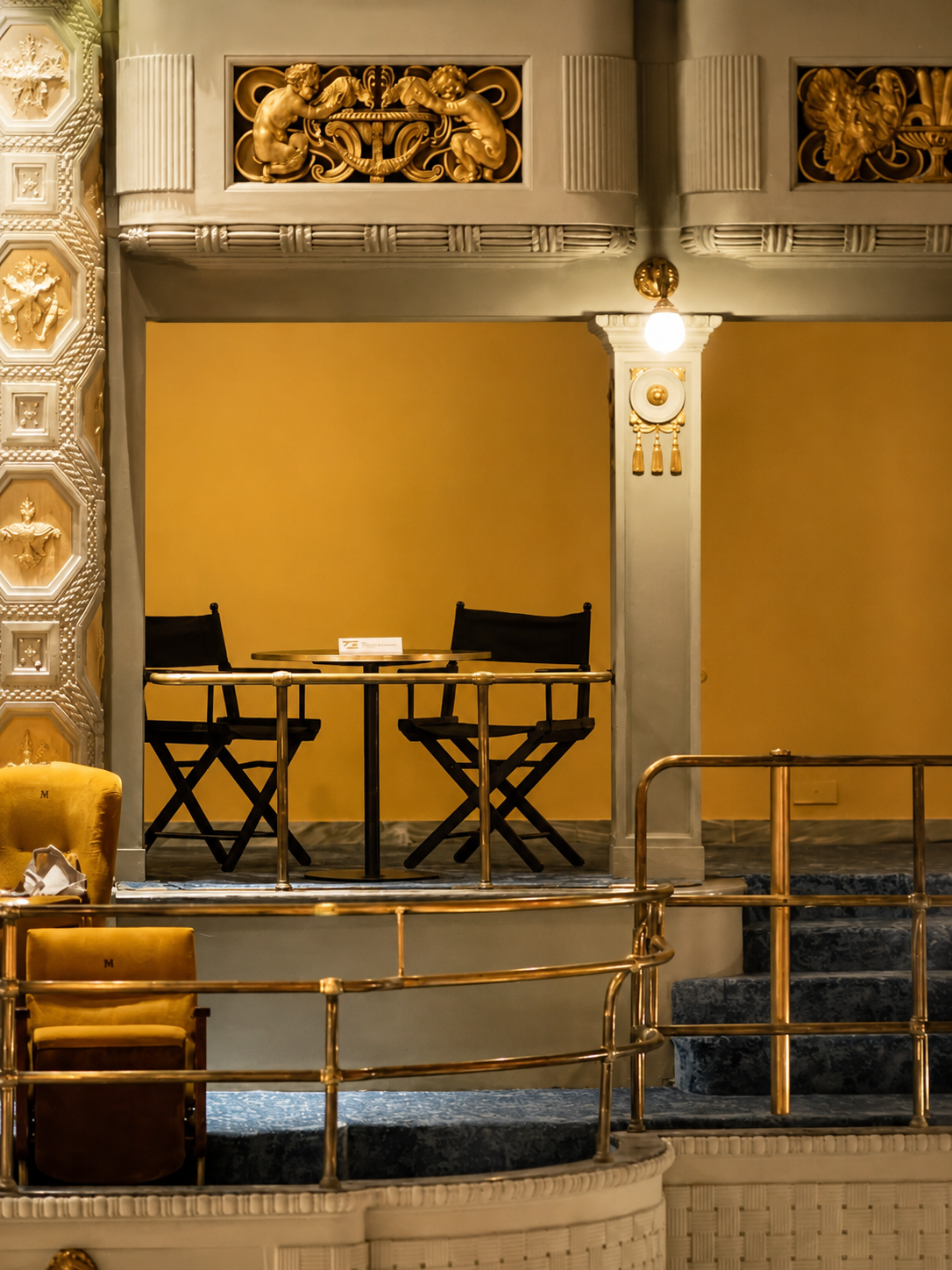
Teatro della Pergola occupies a foundational place in the history of performance architecture. Opened in 1656 under Medici patronage, it was among the first theatres to replace traditional Roman-style seating with superposed tiers of private boxes arranged around a horseshoe-shaped auditorium. This design would become the defining model of the Italian theatre and would influence the construction of opera houses across Europe for generations.
Its origins were closely tied to Florence’s court culture. Built for the Accademia degli Immobili, a society of Florentine nobles devoted to music and theatre, the Pergola initially served the Medici court before opening to the public in the eighteenth century. From that point onward it became one of Italy’s most important stages, hosting works by composers including Bellini, Donizetti and Verdi, whose Macbeth premiered here in 1847.
The theatre’s significance extends beyond architecture and opera. Over centuries it became a centre of Florentine cultural life, adapting to changing artistic movements while preserving its historic identity. Figures ranging from Eduardo De Filippo to Vittorio Gassman helped shape its modern reputation, while ongoing restoration efforts have ensured the survival of its richly decorated interiors and historic stage machinery.
What distinguishes the Pergola today is its continuity. Unlike many historic theatres preserved primarily as monuments, it remains an active cultural institution. Audiences still gather beneath the gilded boxes and painted ceilings much as they did centuries ago, experiencing a space that continues to perform the role for which it was originally created.
For NOTES, Teatro della Pergola represents one of those rare places where architectural innovation, artistic history and living cultural practice converge. It is not simply a historic theatre; it is one of the buildings that helped define what a theatre could be.
— NOTES Editors, Tuscany
SaveShare
Practical Information
Teatro della Pergola
Address
Via della Pergola, 12/32, 50121 Florence FI, Italy
Phone
+39 055 22641
Website
worth knowing
Check the programme in advance, as performances range from opera and theatre to concerts and literary events • Guided tours reveal the theatre's historic stage machinery and architectural details when no performances are scheduled • One of Europe's oldest purpose-built theatres, it remains a living cultural institution rather than simply a historic monument • Arrive early to admire the auditorium and eighteenth-century interiors before the performance begins • Dress is generally elegant but not formal, reflecting Florence's enduring theatre tradition
Tuscany
View Tuscany guide
Notes Icon
Notes Icon