LANDSCAPE
The Lavender Landscape of Provence - How a Flowering Crop Came to Shape the Land, Culture and Identity of a Region
By Monica D. Royce
For a few weeks each summer, the plateaux of Valensole and Sault are transformed by a flowering plant that has come to define an entire region. The lavender fields of Provence are among the most recognisable landscapes in Europe, yet their significance extends far beyond their beauty. They represent centuries of agriculture, the rise of the perfume industry, a tradition of beekeeping, and a relationship between land and culture that remains central to Provence today. Lavender is not Provence's most economically important crop. It is not its most valuable agricultural product, nor its oldest. What makes it remarkable is its ability to shape an entire landscape and, in doing so, become part of the identity of a place. The colour of the flowering fields, the scent carried on the warm summer air, and the continuous hum of bees moving between the rows create an experience so distinct that lavender has become inseparable from the image of Provence itself. The plant is native to the limestone plateaux of southern France. True lavender (Lavandula angustifolia) thrives at higher elevations, where cold winters, dry summers and alkaline soils encourage the production of highly aromatic oils. For centuries it was gathered wild from the mountains before cultivation expanded across the region. By the nineteenth century, demand from the perfume houses of Grasse had transformed lavender into an important commercial crop, linking remote farms of Haute-Provence with one of the world's great centres of fragrance.
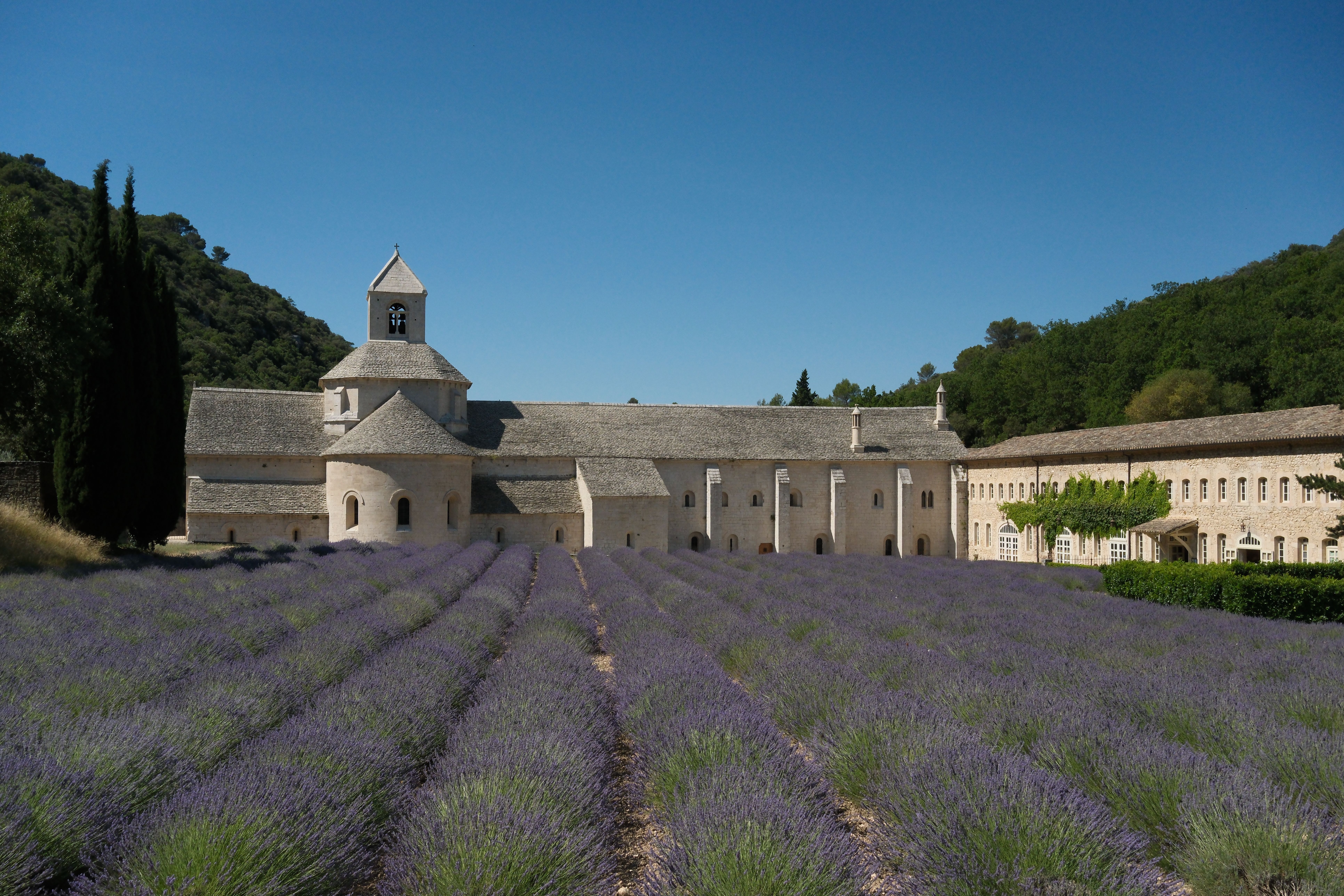
Abbaye de Sénanque near Gordes, where lavender cultivation and monastic life have shared the same valley for centuries.
Photo - NOTES EDITIONS
Lavender and the Perfume Industry
Valensole: Lavender at Scale
Sault and True Lavender
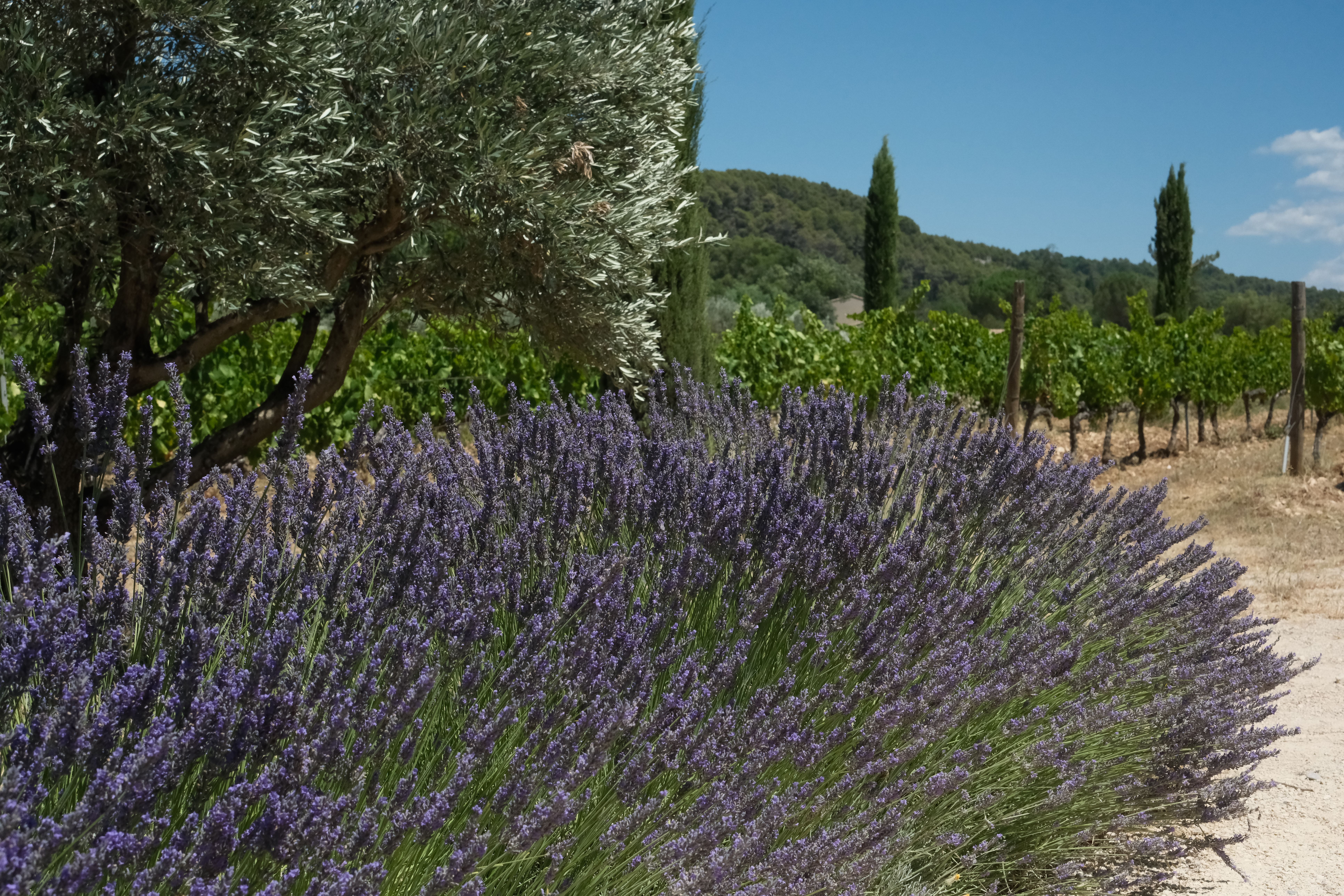
Lavender remains an essential element of the Provençal landscape, growing alongside olive groves, vineyards and cypress-lined estates.
PHOTO - NOTES EDITIONS
Bees, Honey and the Provençal Summer
The Harvest and the Distillery
The lavender harvest remains one of the defining rituals of the Provençal summer.
Modern harvesting machines move efficiently through the rows, cutting the flowering stems and transporting them directly to nearby distilleries. The scent released during harvest is extraordinary — a concentrated wave of essential oils that lingers in the warm air long after the machines have passed.
At the distillery, steam is passed through freshly cut lavender to extract the essential oil. The process has changed little in principle over centuries. What emerges is a pale golden liquid whose fragrance bears little resemblance to synthetic lavender products. Rich, complex and unmistakably natural, it remains one of Provence's most important contributions to the world of perfume.
Many farms and distilleries continue to welcome visitors during the harvest season, offering a rare opportunity to witness an agricultural tradition that has shaped the region for generations.
A Landscape Under Pressure
Lavender has always depended on a delicate balance of climate, altitude and soil. In recent decades, rising temperatures and plant diseases have created new challenges for growers. Some producers have moved cultivation to higher elevations, while researchers continue to develop methods for protecting traditional varieties.
The future of lavender in Provence is not guaranteed. Yet the resilience of the crop, combined with the determination of the farming communities that cultivate it, suggests that the lavender landscape will remain an essential part of Provence for generations to come.